Ten Shoes. Infinite Patina.
Every Saancha shoe is cut, lasted, and finished by hand in our Lahore workshop. No two pairs wear the same way — each develops a patina unique to its owner.
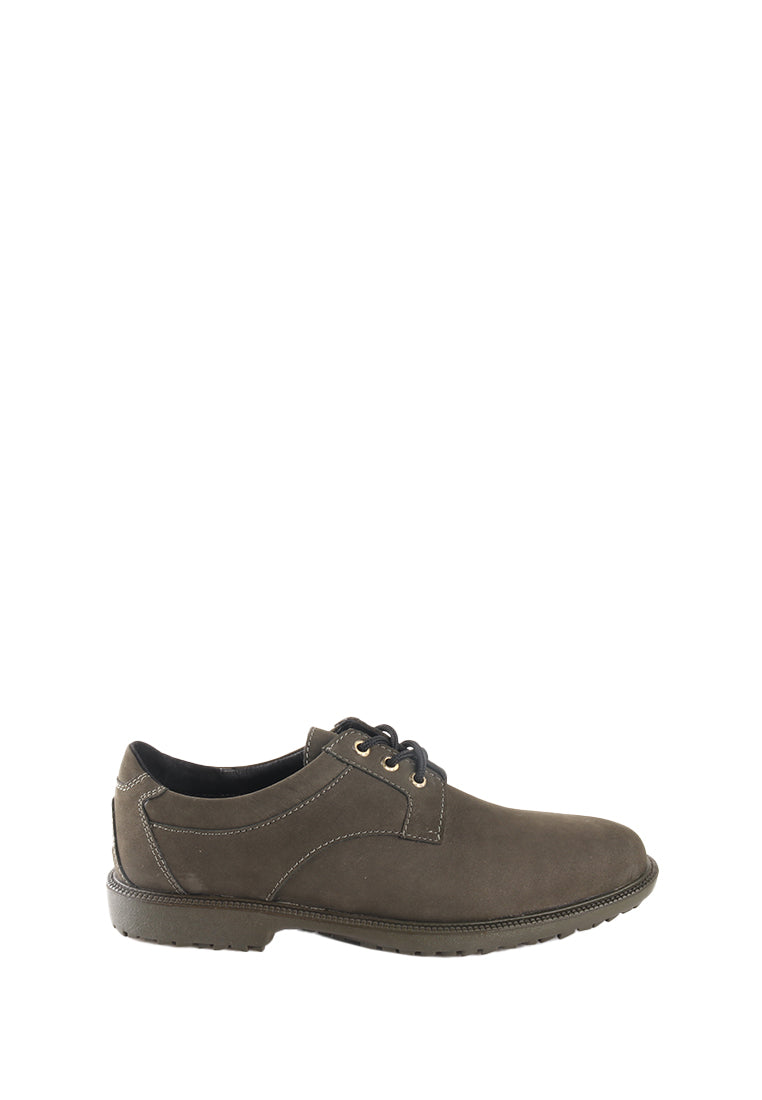
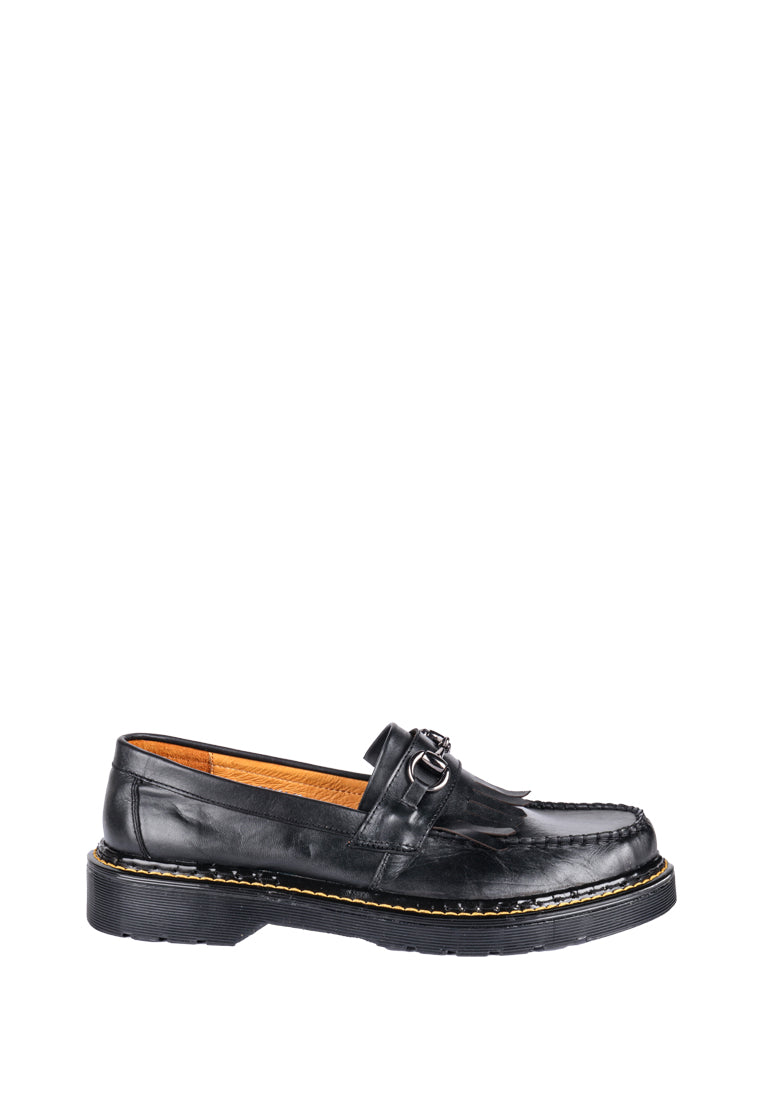
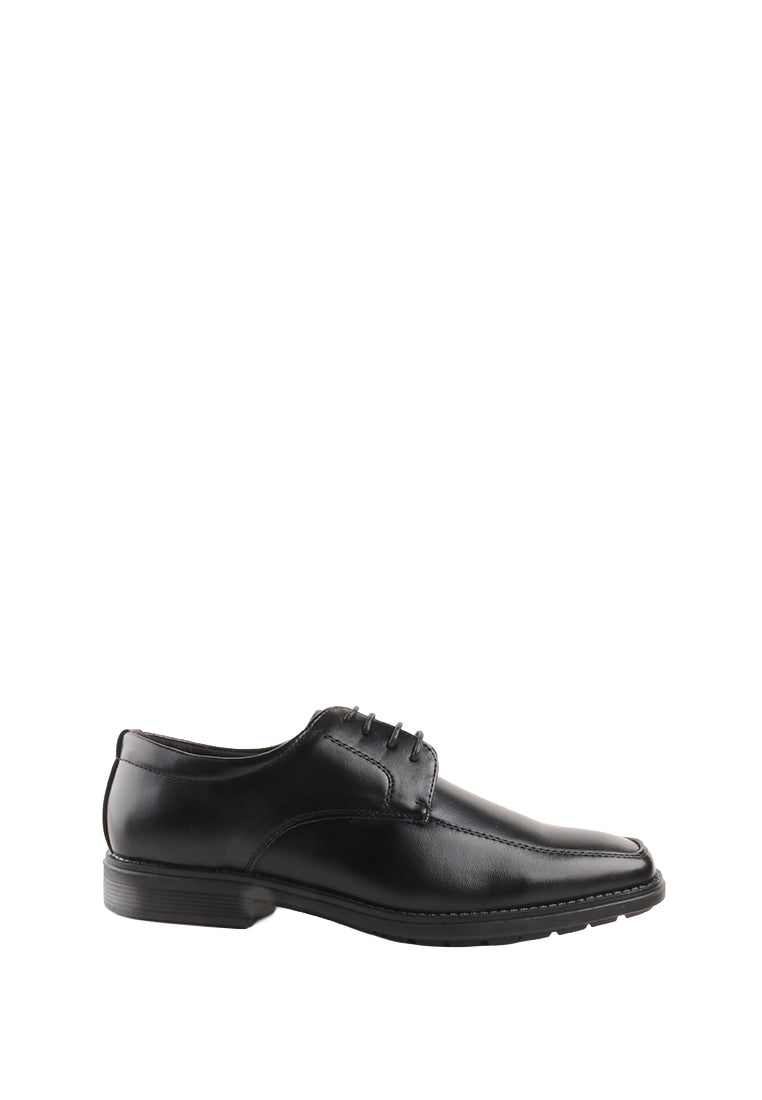
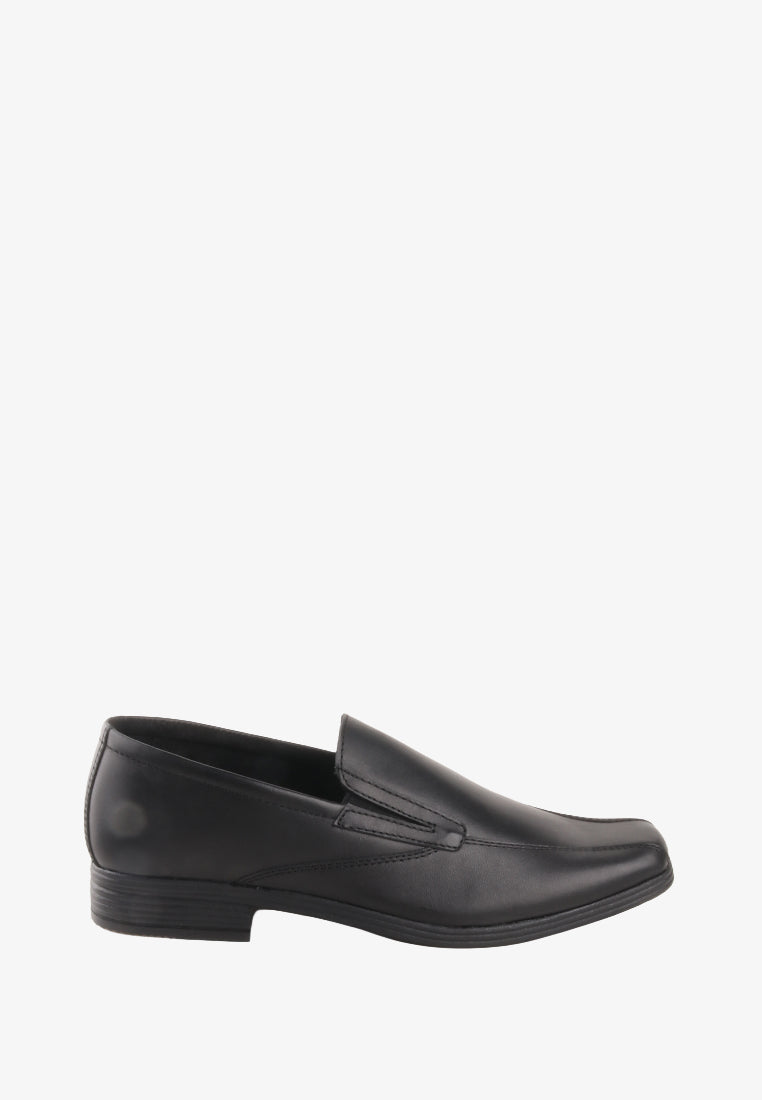
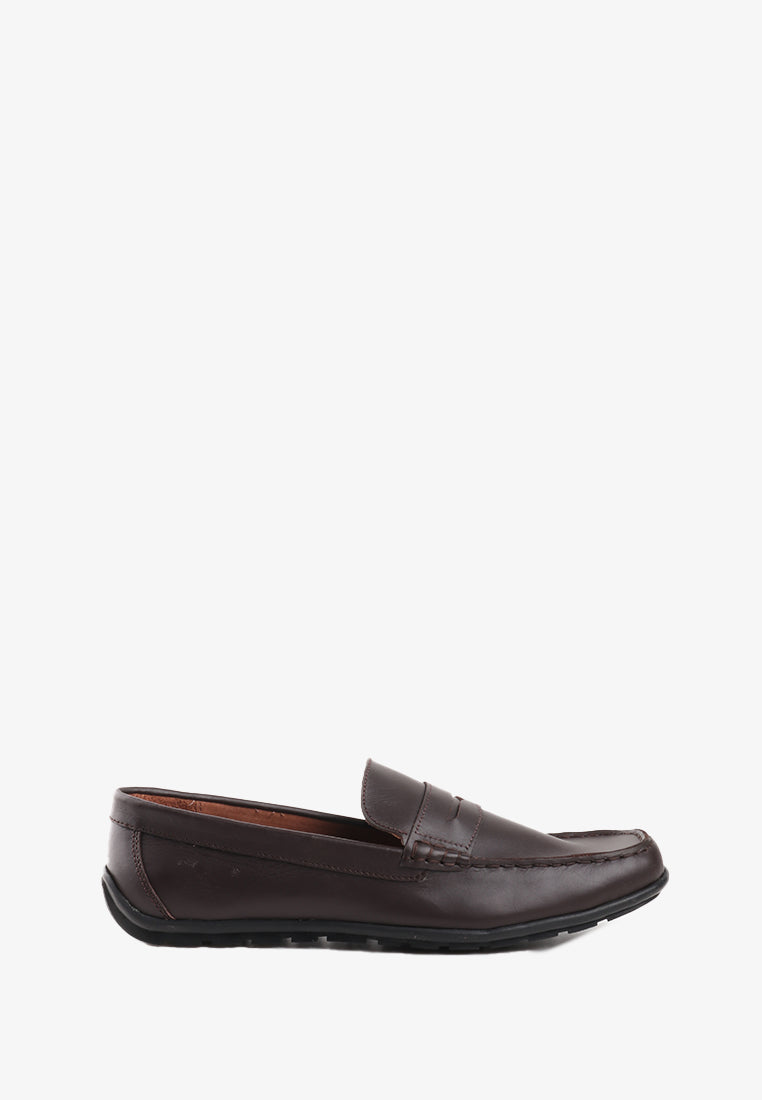
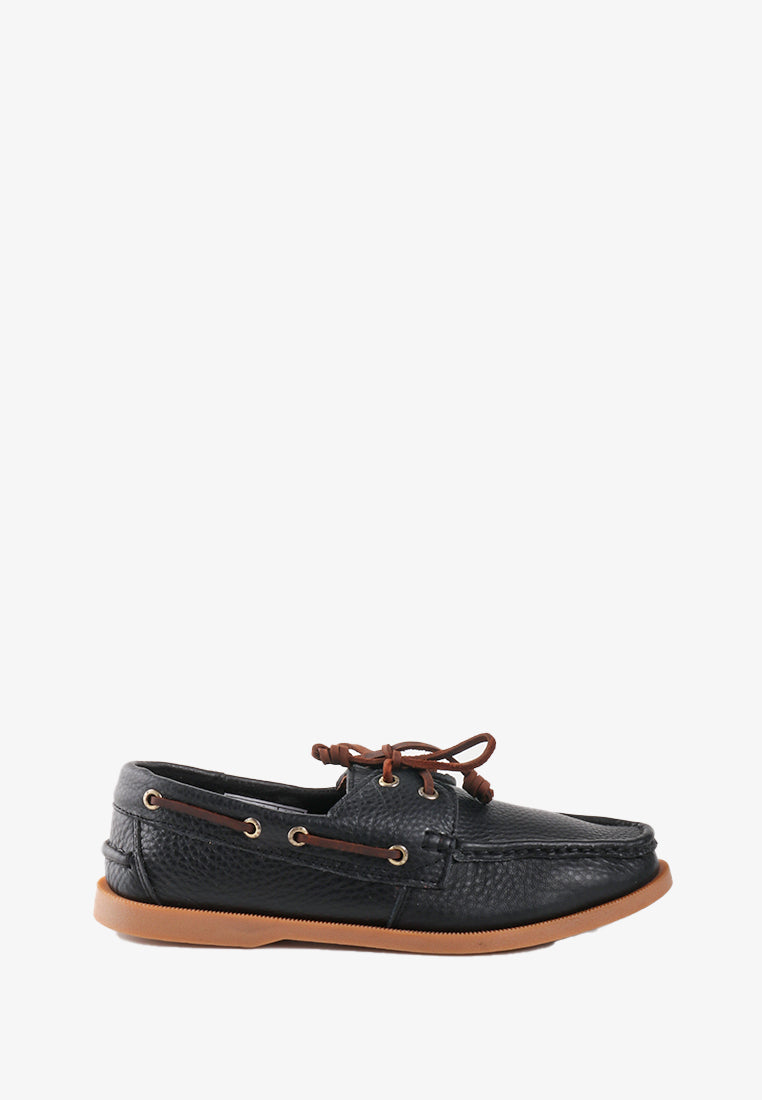
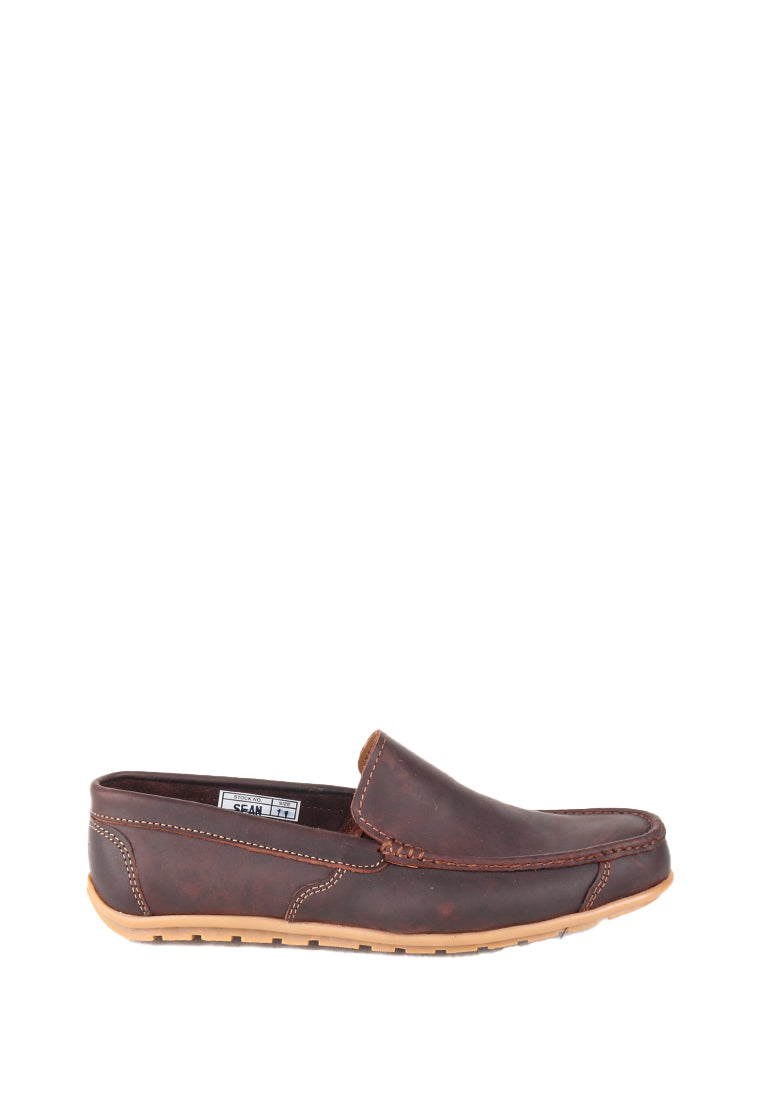
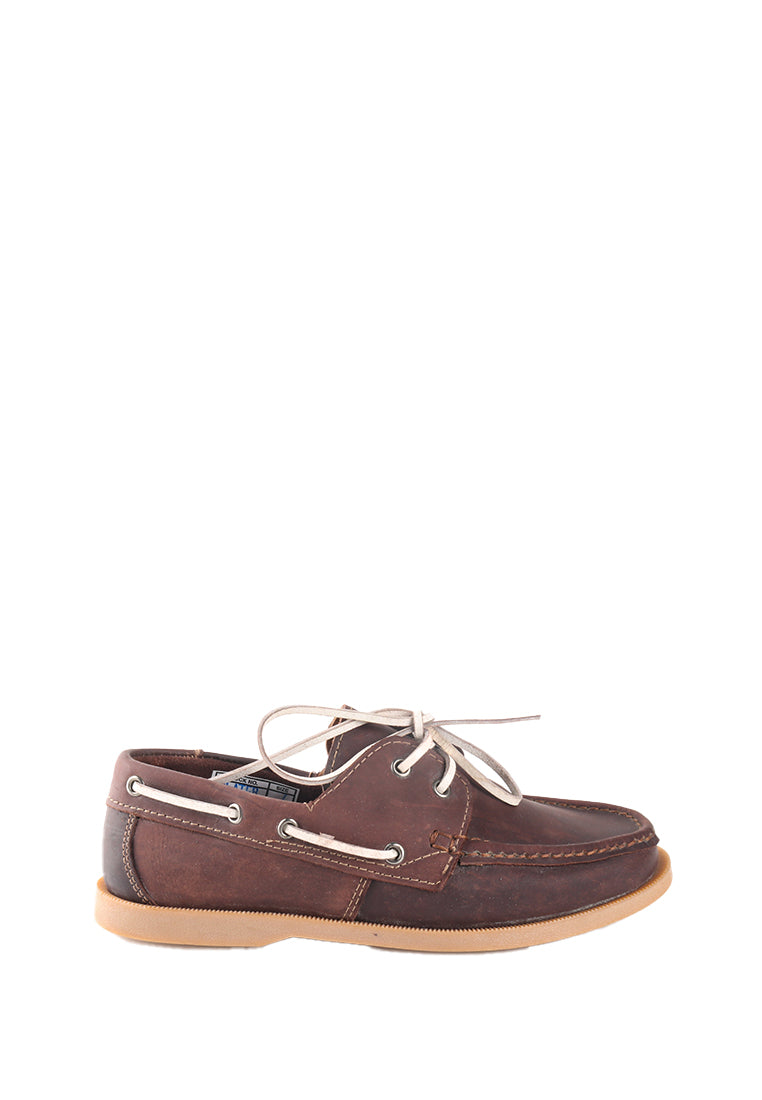
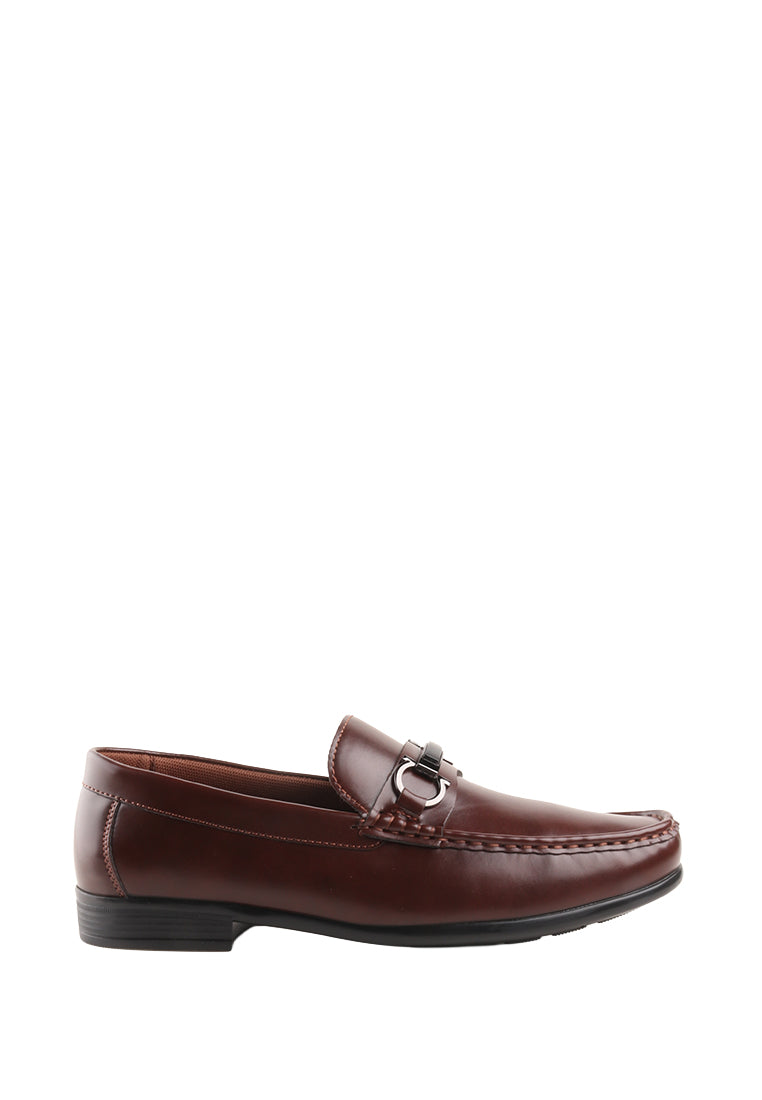
How a Shoe is Built
Four methods. Each with its own anatomy. Each suited to a different purpose.
A strip of leather (the welt) is stitched to the upper and insole, then the outsole is lock-stitched to the welt. A cork bed fills the cavity. Fully resoleable. The gold standard of bench-made footwear since 1869.
A single stitch joins upper, insole, and outsole from the inside. Half the weight of Goodyear. Favoured by Italian shoemakers for its clean, close-cut profile and flexible forefoot.
A Goodyear welt with an L-shaped lip that seals against the upper. Originally developed for English country boots crossing wet heath. Impermeable to rain, mud, and the monsoon.
The upper is wrapped around the last and stitched directly to the sole. No welt, no insole board. The lightest construction. Traditional for moccasins, driving shoes, and loafers.
Saancha
In Urdu, saancha means mould. The last — a carved wooden form around which every shoe is built — determines shape, fit, proportion, and how light falls across the leather. A good last is the difference between a shoe you wear and a shoe that wears you.
Every Saancha shoe begins on a single last, shaped by hand in our Lahore workshop. No two makers share the same last. This one is ours.